STARSCAPE
Photographer's judgment, turned into a tool / 3-month free trial
More time disappears
after the shot than during it.
If you're burning out on the same decisions every time, it's faster to encode those decisions into a tool.
Sidekick is a set of practical tools for photographers that gradually take over the
enormous volume of decisions that follow a shoot.
Star landscape, light-stacking, mask processing — not presets. Judgment support.
No credit card required · Install by unzipping
Not presets — judgment support
Culling, masking, compositing — let the tool take over the decisions you keep repeating.
Light-stacking in one click
Automates multi-frame light-stacking from end to end. Eliminates hesitation over steps and processing errors, even with large batches of star material.
Auto mask generation
Generates star masks and sky masks automatically. Sky/ground separation, light pollution correction — decisions you used to agonize over, handled in one step.
Unified workflow
Consolidates scattered processing steps into a single script. Pushes the time you used to spend re-deciding everything from scratch toward zero.
Before and after Sidekick
Processing the same material takes less time and fewer decisions.
BEFORE
Without Sidekick
- Looking up light-stacking steps every session
- Remaking masks by hand multiple times
- Stalling on light pollution correction decisions
- Repeating the same operation on dozens of frames
- More time developing than shooting
AFTER
With Sidekick
- Light-stacking finished with one button
- Sky and star masks generated automatically
- Light pollution correction becomes a defined routine
- Script handles large frame batches
- Time saved on decisions goes into the creative work
Try it free for 3 months.
Reading about it will only get you so far. Download it, run it on your own material, and see whether it fits your workflow.
No credit card · Just add to Photoshop · Purchase price ¥9,800 (tax included)
Sidekick Series — All Products
Three modules, each built for a different genre.
PORTRAIT
Sidekick Portrait
For portrait. Guides skin, color, and dimensionality toward your intended direction. A Sidekick for portrait processing.
90-day free trial
¥4,800 (tax included)
SKY EFFECT
Sidekick Sky Effect
For sky expression. Streamlines cloud, light, and sky impression work for sky-led finishing.
30-day free trial
¥980 (tax included)
🏆 Developer's photography credentials
Ichiro Murata — 1x.com Awarded photographer
1X is a curated photography platform. Murata has earned 7 Awarded selections on 1x.com
across architecture and fine art categories. (Awarded is the highest recognition on 1x,
granted by its official head curators.)
Sidekick grew from the same eye and judgment behind that work.
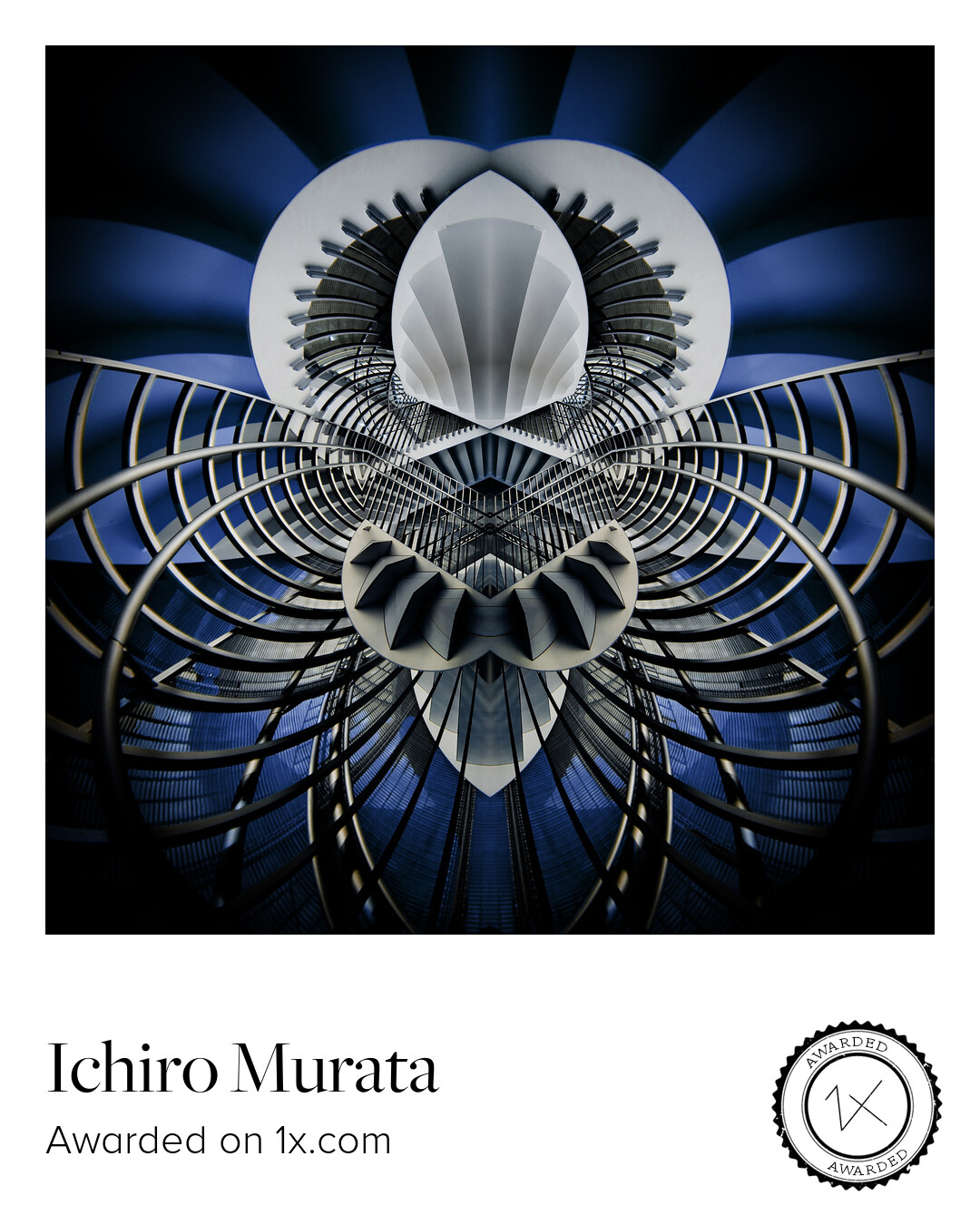
Featured Award Work — click to enlarge
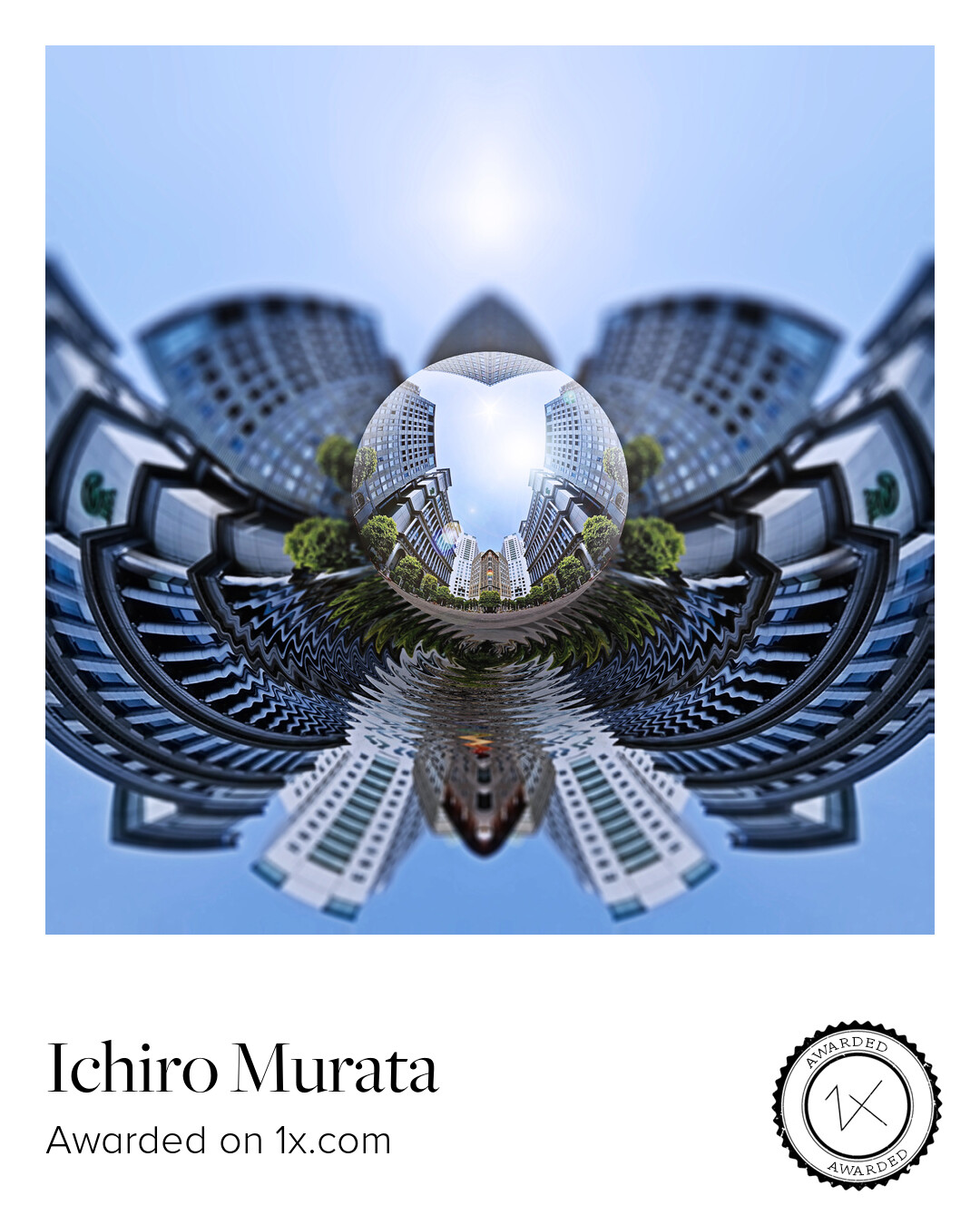
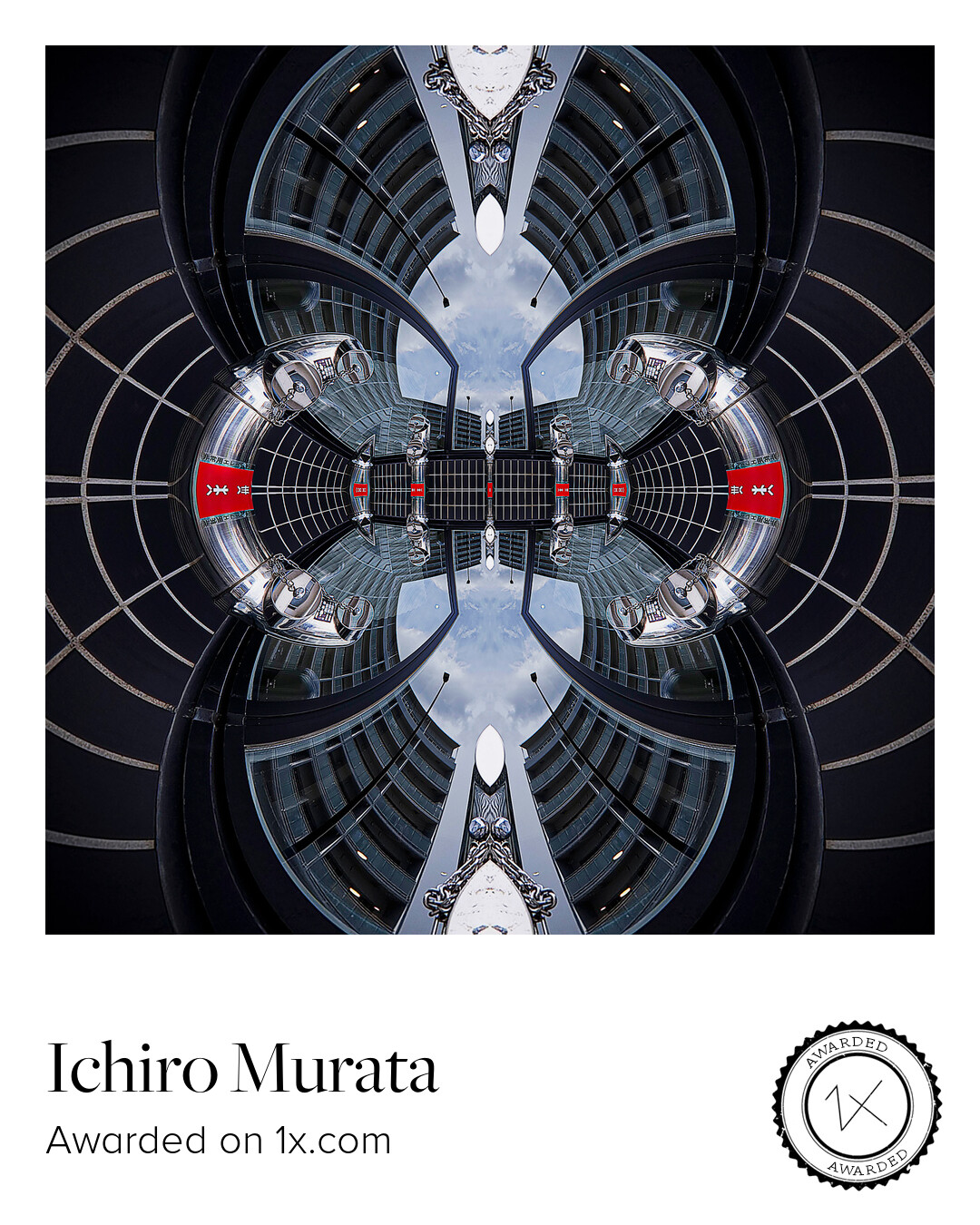
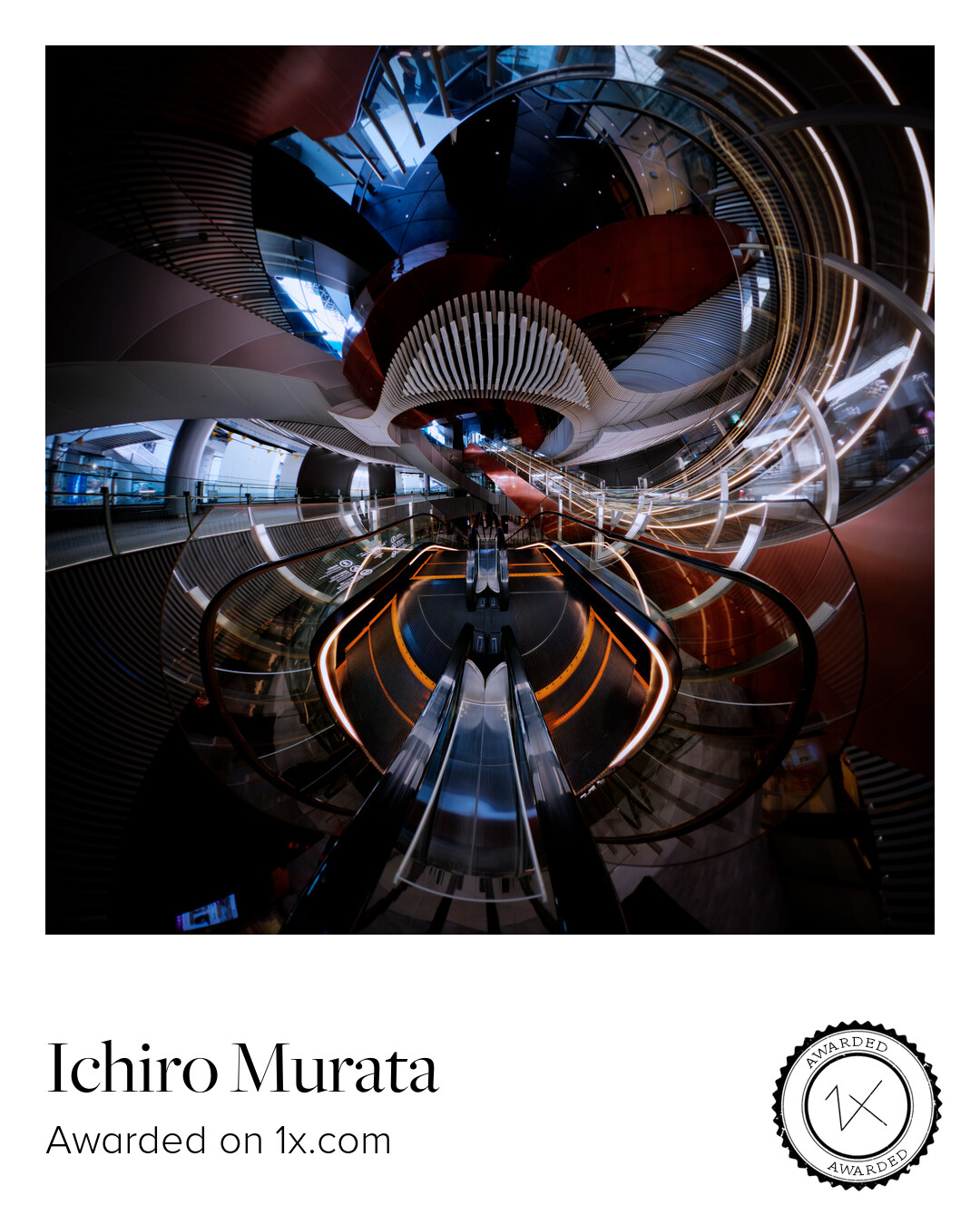
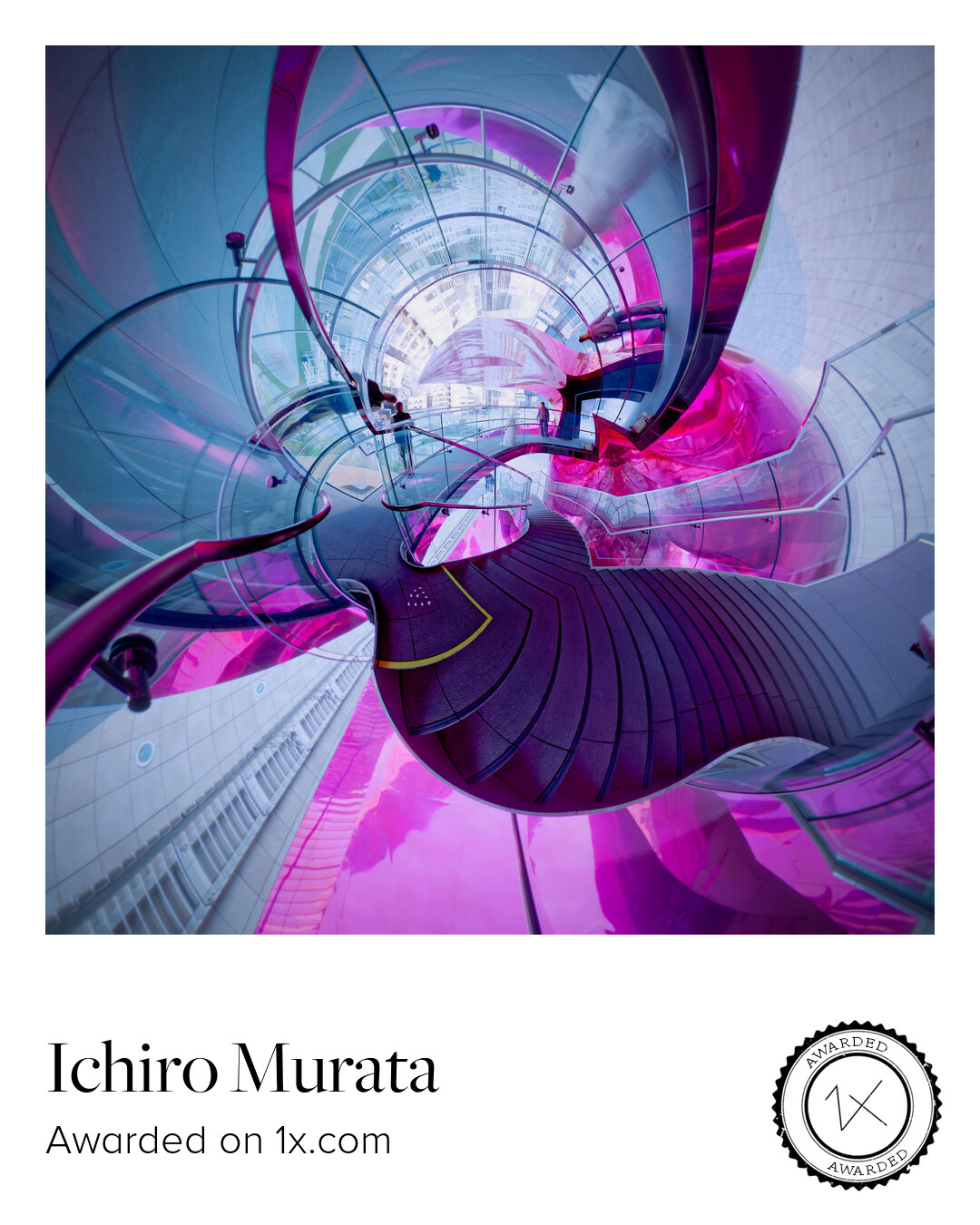
"Selected and awarded on 1X. The judgment behind the lens is the same judgment behind Sidekick."
1985
ORIGIN — Where the technology began
It started not with viewing images,
but with generating and analyzing them.
While studying at Tokai University's School of Marine Science and Technology, Murata participated as an external research student at the Mikio Takagi Laboratory, University of Tokyo Institute of Industrial Science. The theme was thermal infrared image processing from NOAA weather satellites.
The core of the research: extracting motion vectors of warm water masses from two satellite images taken at different times, and visualizing early signs of El Niño. Language: PL/I. Hardware: frame buffer image processor (512×512). Images were generated line by line, drawn onto a CRT.
Processing time: about 1–2 minutes per image. Other universities needed hours or a full day for equivalent work — this was genuinely cutting-edge. Results were presented at the Television Society of Japan (1986).
"Converting invisible phenomena into images through computation"
— Solving photographic problems with technology: an approach that hasn't changed since.
— Solving photographic problems with technology: an approach that hasn't changed since.
System configuration (1985)
📡 NOAA satellite reception (parabolic antenna)
↓
💾 9-track magnetic tape recording
↓
🖥 PL/I processing (Fujitsu FACOM)
↓
📺 Frame buffer → NTSC CRT display
↓
📷 Polaroid / slide film capture
1986 – c.2006
Phase 2 — As a circuit designer
Designing the "color" of television
as a circuit, into mass production.
Note: this section is based on his own records. No public sources confirming the company, assignment or duration have been found.
Joined Toshiba Audio Video Engineering Co., Ltd. (Toshiba AVE) as a 5th-cohort hire. Assigned to Toshiba Fukaya Factory in Saitama Prefecture — an integrated line from TV and VTR design through mass production.
Primary role: design and mass production of V/C/D ICs for consumer televisions — a chip integrating Video, Chroma, and Deflection circuits. Deflection (sync) and I²C-BUS were his main responsibilities, handled from design through evaluation through production handoff for about 20 years.
In the 4:3 CRT era, the "color and brightness" in Japan's living rooms was designed and shipped from this line.
Around 2006, after roughly 20 years as an engineer, he went independent.
Large-format mountain photography, which he had started before that,
shifted to digital with the Nikon D1 released in 1999.
He has worked as a photographer ever since.
VCD IC — Areas of responsibility
V
VIDEO
Luminance signal processing
C
CHROMA
Color difference / saturation
D
DEFL.
Sync / deflection
Primary
I²C
BUS
Control bus design
Primary
Handled design and evaluation
through the handoff to mass production
through the handoff to mass production
1990s
Phase 2.5 — Into the mountains
Alongside the engineering work,
he started shooting mountains on large format.
In 1990 he began photographing mountains with a Horseman 45FA, working the Northern Japan Alps. He later joined the Japan Alpine Photographers Association and showed work in its group exhibitions.
In 1997 he won the 35th Gakujin Photo Award. The commemorative portfolio is still listed in the National Diet Library's periodical article index (Gakujin no. 608, February 1998, pp. 70-73).
Verifiable records from this period
1990
→
Started mountain photography on large format
1997
→
35th Gakujin Photo Award
1990s –
→
Japan Alpine Photographers Association — group exhibitions
2000s – 2010s
Phase 3 — Shooting and building at once
Twenty years of shooting
and building, side by side.
After going independent he worked mainly in mountain and star-landscape photography, while writing articles and product reviews for photography magazines. Photo Technic Digital (Genkosha) carried his work in 12 issues between 2011 and 2015 — verifiable from the publisher's own back-issue tables of contents.
Over the same period he released and sold software as shareware on Vector to make post-shoot processing easier ("Tsubame" and "Kita-Tsubame"). In 2012, a feature in Digital Camera Magazine covered his method of building deep depth of field and long-exposure effects through compositing — and published the program itself in the magazine.
In parallel he produced sample images, product reviews and official Impressions for PENTAX / RICOH, and spoke at the RICOH IMAGING booth at CP+ from 2017 through 2020. He has also been teaching photography courses and workshops since 2015.
RICOH IMAGING's published instructor profile also notes that he built his own
remote releases, power supplies and image-stacking software.
By this point, "building the tool that is missing" was already part of the job.
Work verifiable from third-party sources
2000s
→
"Tsubame" / "Kita-Tsubame" on Vector
2011 – 2015
→
Photo Technic Digital — 12 issues
2012
→
Digital Camera Magazine — feature & program
2014
→
Exhibition "The World of PENTAX K-3"
2016 – 2018
→
PENTAX K-1 / K-1 Mark II official Impressions
2017 – 2020
→
CP+ — RICOH IMAGING booth talks
2015 –
→
Photography courses and workshops
Sources (manufacturer, publisher, National Diet Library and others) are collected on Ichiro Murata's page.
1985 → 1990s → 2006 → 2010s → NOW
Turning invisible ocean movement into numbers from satellite imagery.
Designing the signal of "color" as a circuit for television.
Selecting "the moment of light" as a photographer —
and, throughout, building whatever tool was missing.
All of it shares one thing: the judgment of what to keep and what to discard from an enormous amount of information.
Sidekick is an attempt to put that judgment outside, into a tool.
What is written here is a summary. What actually happened is told in his own words under Story.